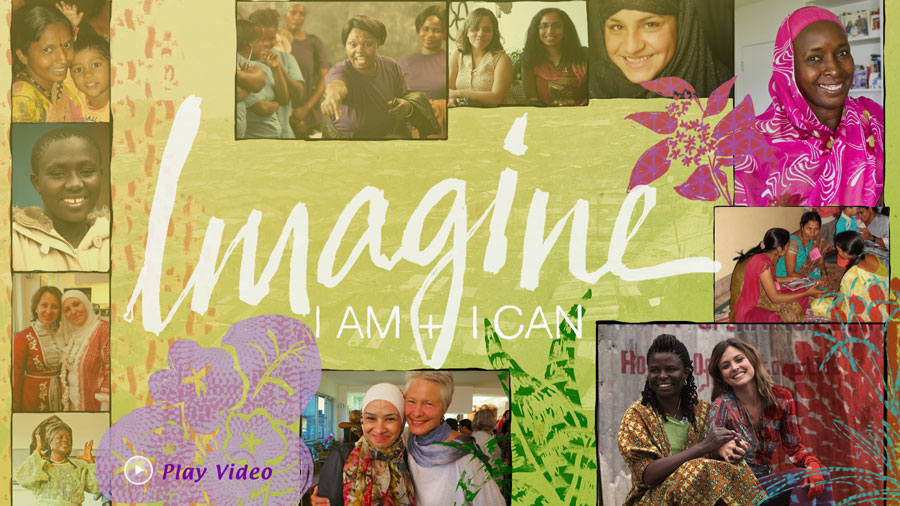
Click Here for the longer version of this video.
As we begin the next decade of the millennium, it is increasingly clear that the key to economic growth and development for the world's poor lies in our ability to harness the potential of more than half of its most underprivileged and oppressed population, women. There is an urgent need to identify innovative ways of empowering women that develop their capacity to take the actions necessary to tackle the many challenges they face.
The focus on women is crucial because they have been identified as the main agents for equitable change and sustainable development1. But progress towards the third of the Millennium Development Goals (MDGs) to promote gender equality and empower women is sorely lacking. Despite some evidence of success, especially in areas of education, substantial obstacles remain in reducing violence against women, improving their access to health services and basic needs and increasing women’s representation in government. In fact, six of the eight stated MDGs relate significantly to women’s needs and require diverse and substantial efforts to address.
While there continues to be debate about the specific definitions of empowerment2, we believe that the most pertinent definition is one that describes empowerment as an expansion of one's capacity to create positive behavioral change. Whereas attitudes and beliefs are critical components to this process, it is only through enhancements in human capacity, decision making, and behavior change that advancements in development can be achieved.
In international development programs there are many paths to women's empowerment; most traditionally, these programs focus on providing skills, education, opportunity and promoting equitable governance. These are important endeavors, however, efforts are needed that foster women's sense of self, resulting in greater self-esteem, motivation, self-respect and self-reliance. Indeed, this serves as the foundation that enables these other efforts to fully succeed3,4.
Finding their voice,

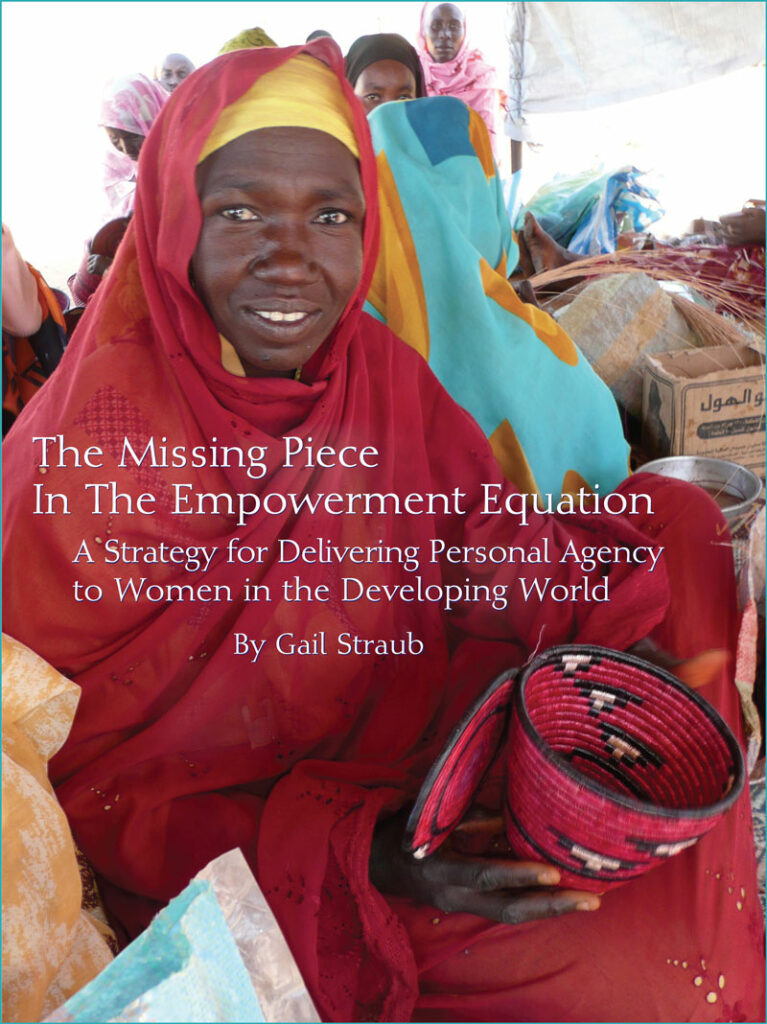
A Strategy for Delivering Personal Agency to Women in the Developing World
by Gail Straub
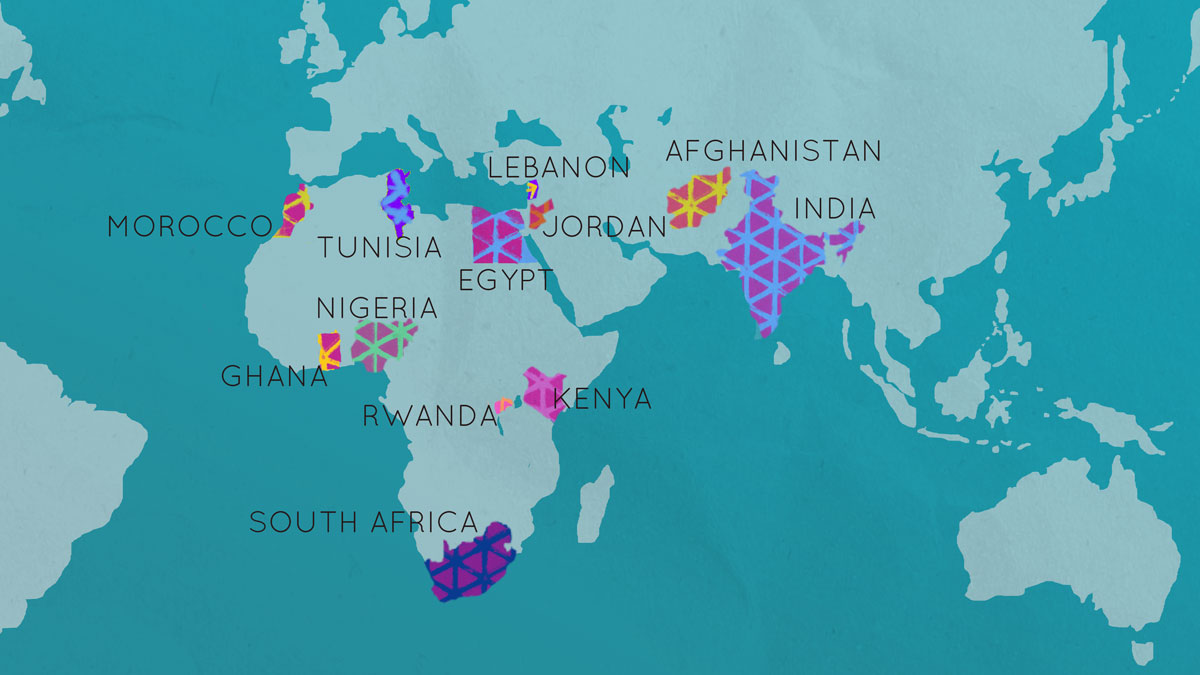
Over 900 civil servants in Kabul, Afghanistan have participated in one of the Empowerment Programs.
Read More...
The women of Darfur have suffered in many ways. They need to renew their dreams about a better living and future for themselves and their children
Read More...
One of the women commented after the workshop " Now I know I am not a nonentity. I have several potentials in me which I really need to explore deeply."
Read More...
Copyright © 2010 Empowerment Institute